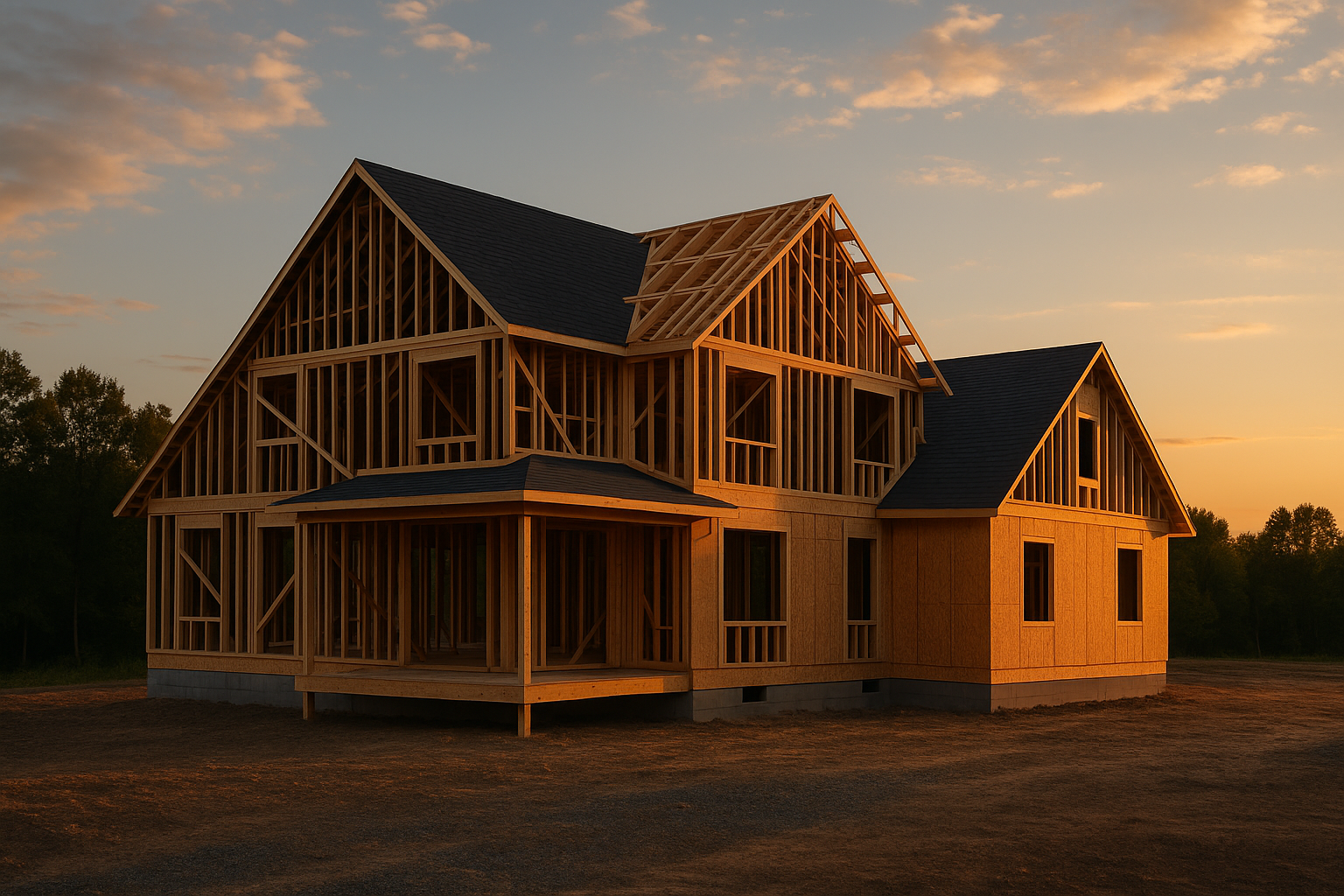
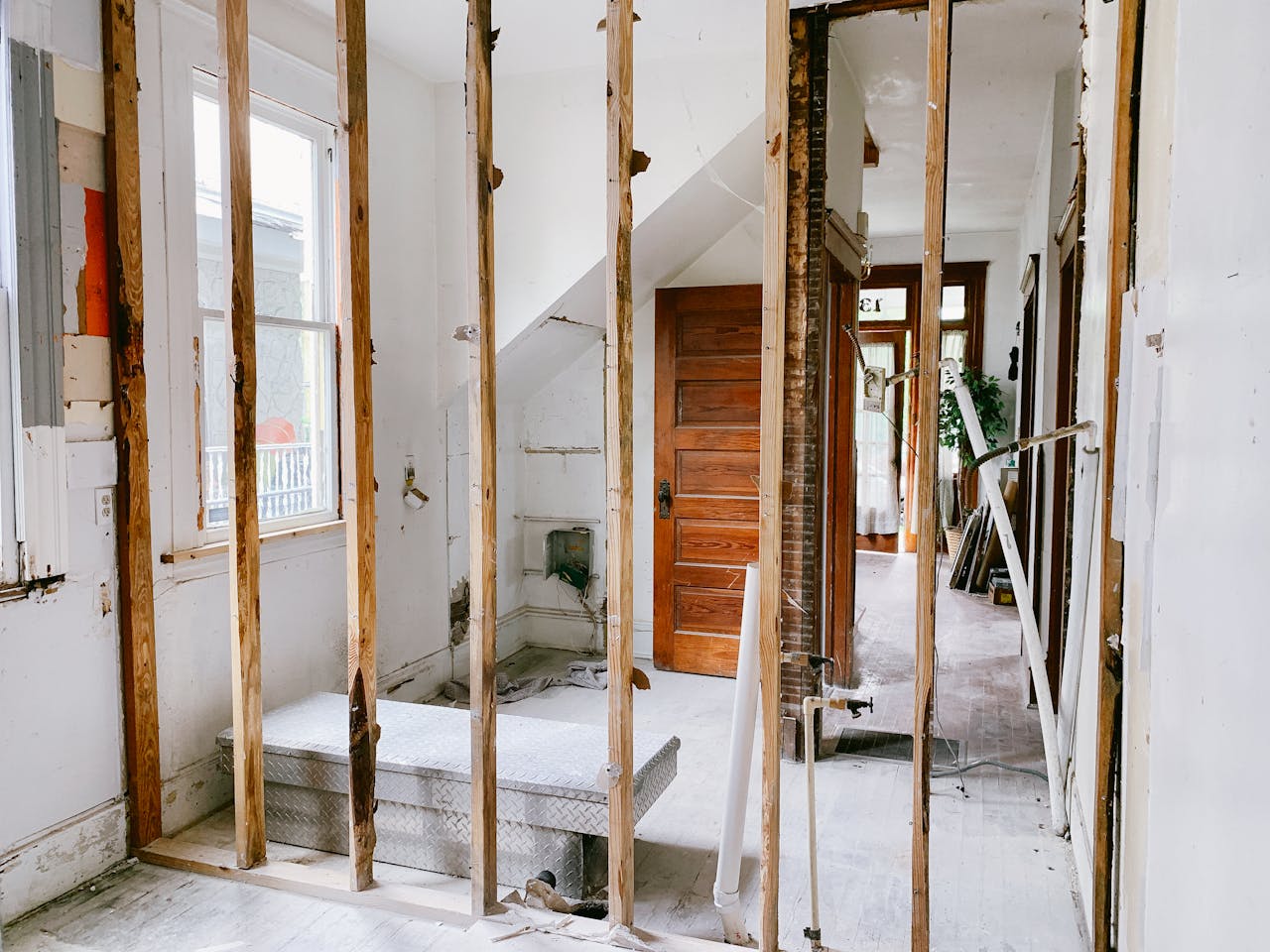
The question comes up more often than you might expect. A family has owned a home for years. The house is structurally sound but functionally dated, the layout does not work for how they live, or the cost of maintaining aging systems is accumulating faster than the home is gaining value. The obvious paths are renovate or rebuild. The less obvious thing is that neither path is automatically better, and the right answer depends on variables that are specific to the property, the family, and the budget.
The first question to ask about any existing home is whether the structure is fundamentally sound. A house with a compromised foundation, significant water intrusion history, or structural framing issues that have been neglected over time may cost as much or more to remediate during renovation as it would to replace entirely. If the structure requires major intervention, the case for rebuilding strengthens considerably.
A home with a good foundation, sound framing, and no significant moisture damage is a better candidate for renovation. The bones are worth keeping, and renovation can address the layout, systems, and finishes without touching what is already working.
One of the most common reasons clients consider a tear-down is that the layout of the existing home cannot be reconfigured to work the way they need. Moving load-bearing walls, relocating stairways, and combining or separating rooms is possible in renovation, but it is expensive and sometimes structurally complex. If the changes you need are extensive enough, the cost of performing them within an existing structure can approach the cost of building new.
A floor plan that is simply arranged wrong, where rooms are in the wrong location relative to one another or the flow of the house does not match the way a family lives, is harder to fix in renovation than functional deficiencies like outdated kitchens or bathrooms. If the layout is the primary problem, rebuild deserves serious consideration.
Older homes often carry aging electrical, plumbing, and HVAC systems that are functional but at or near the end of their useful life. A renovation that does not address these systems may produce a beautiful finished space built on infrastructure that will need significant investment in the near future. A renovation that does address them can be surprisingly expensive because accessing and replacing existing systems in a finished structure is more labor-intensive than installing new systems in an open frame.
New construction starts with clean, code-compliant systems designed for the specific layout of the home. That advantage matters over a long ownership horizon, both for reliability and for energy efficiency.
The most counterintuitive reality in this decision is that major renovations can cost nearly as much as new construction per square foot. When you factor in demolition of existing finishes, remediation of any discovered conditions, the complexity of working within an existing structure, and the inefficiency of sequencing work in a confined space, the cost per square foot of renovation often exceeds what you would pay to build new in the same location.
The math changes depending on scope. A targeted renovation of a kitchen and primary bath is a different financial conversation than a whole-home gut renovation with structural changes. The larger and more invasive the renovation scope, the more the economics begin to resemble new construction.
Renovation wins when the structure is sound, the layout is fundamentally workable, the location is irreplaceable, or the home has character that would be lost in a rebuild. Historic homes, houses with significant architectural detail, and properties on sites that cannot be replicated are strong candidates for renovation. The investment in preserving what exists is justified when what exists is genuinely worth preserving.
Rebuilding wins when the structure has significant problems, the layout cannot be made to work, the systems are at or past end of life, and the renovation scope has grown to the point where starting fresh is more cost-effective. It also wins when the client has a clear vision of what they want that simply cannot be delivered within the constraints of the existing structure.
Halsey Homes handles both renovations and new construction. We do not have a financial incentive to push you toward one or the other. What we can do is help you think through the specific variables of your property, your goals, and your budget before you commit to a path. If you are wrestling with this decision, we are glad to talk through it with you.
.webp)